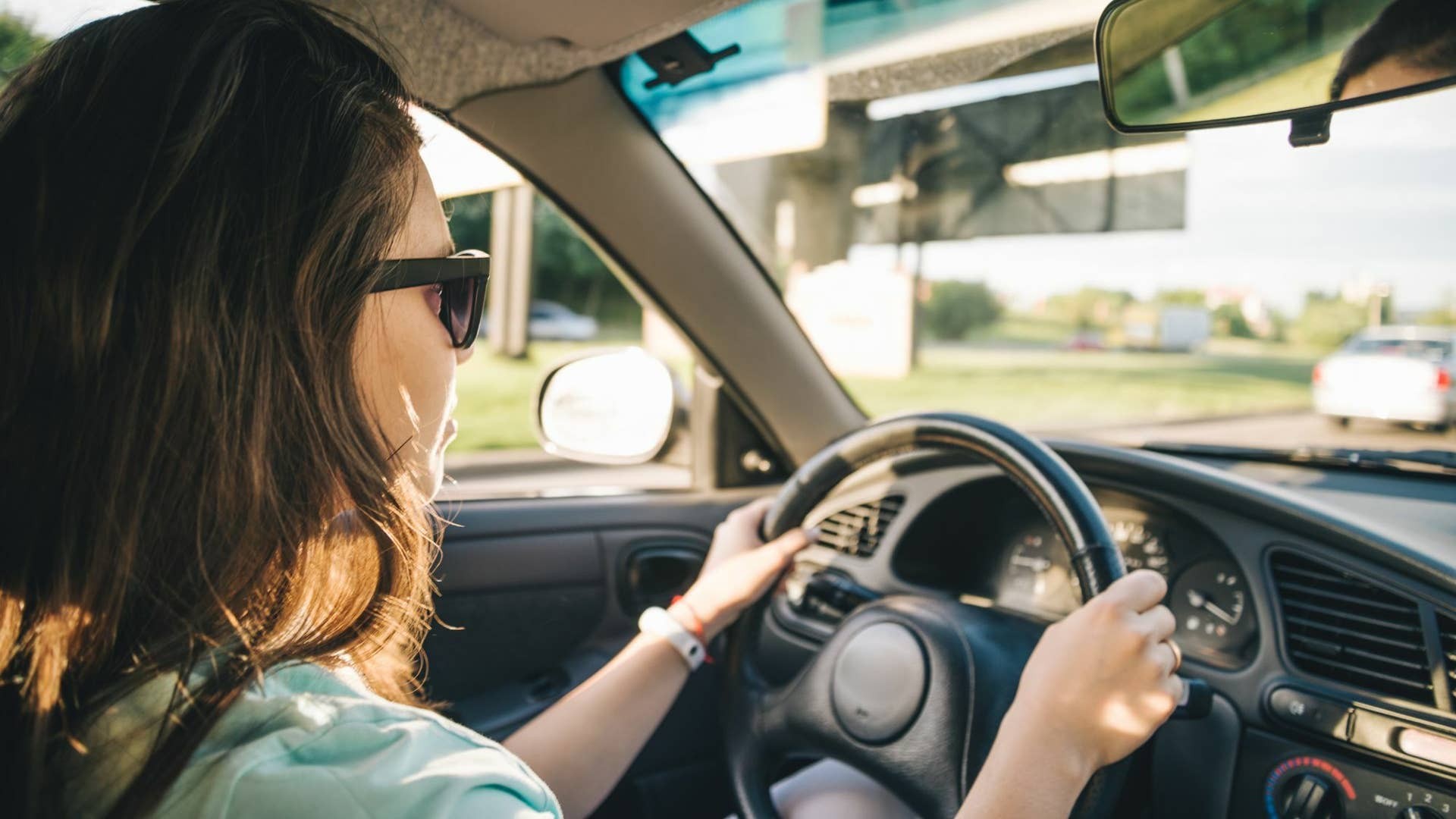
A learner is driving along a familiar street when a vehicle begins edging out of a driveway. Nothing dramatic happens. The learner slows, the other vehicle stops, and both continue a few seconds later.
It is an ordinary moment, but it teaches something useful. New drivers often give most of their attention to intersections and traffic lights because those places obviously require decisions. Driveways receive less thought, even though vehicles, pedestrians, and cyclists can appear from them with little warning.
Start Looking Before Anything Moves
A vehicle sitting in a driveway does not automatically create a problem. Still, there may be signs that it could move.
Someone may be sitting behind the wheel. Reverse lights might appear. The front wheels may change direction. Spotting those details early does not mean you need to brake every time you pass a driveway. It simply means you are less likely to be surprised.
Remember That Drivers May Have a Poor View
A person backing out may not be able to see the entire street clearly. Fences, bushes, parked cars, or other objects can restrict their view.
That is worth remembering when approaching. Instead of assuming the other driver has definitely seen you, watch the vehicle and leave yourself time to respond if it continues moving. Being visible does not guarantee that somebody is actually looking in your direction.
Use Practice to Improve Your Scanning
Beginners can become so focused on staying centered in the lane that activity beside the road almost disappears from their attention. As basic control improves, their observation needs to widen.
During driving lessons, learners can work on practical skills while gaining experience with ordinary road situations. A useful habit is to scan ahead and toward the roadside rather than waiting until movement enters the lane before noticing it.
Be Especially Careful Around Hidden Driveways
Not every driveway is easy to see from a distance. Trees, walls, curves, or parked vehicles can hide an entrance until you are fairly close.
If the surrounding area limits your view, recognize that uncertainty. There is no need to become nervous about every hidden entrance, but it makes sense to stay alert and avoid letting attention drift simply because the road itself looks quiet.
Think About Pedestrians Too
Driveways are not used only by cars. Someone may be walking across one while a vehicle is preparing to enter or leave.
This can create a situation where several people are watching different things. The driver in the driveway may be concentrating on road traffic, while the pedestrian is focused elsewhere. A learner approaching the area needs to observe the whole scene rather than only the moving vehicle.
Do Not Turn Practice Into Test-Day Acting
When preparing for a dps road test texas, learners sometimes become very conscious of demonstrating specific actions. They may suddenly exaggerate checks that were less consistent during ordinary practice.
A stronger approach is to make observation part of everyday driving well before the test. Looking for movement around driveways, intersections, parked vehicles, and roadside areas should feel normal rather than something performed only when being evaluated.
Stay Predictable When Something Happens
Suppose a vehicle begins pulling out but then stops. Avoid making a sudden steering movement around it unless the situation genuinely requires one.
Slow or stop as appropriate, observe what the other driver is doing, and give the situation a moment to settle. Predictable actions make it easier for everyone involved to understand what is happening.
Quiet Streets Still Need Attention
Residential roads can feel relaxing because traffic is often lighter. That comfort is useful, but it should not turn into inattention.
Driveways, parked cars, people walking, and vehicles making short local trips can create frequent small changes. A quiet road may simply require a different kind of observation from a busy one.
Conclusion
Driveways rarely seem important enough to become the focus of a driving lesson, yet they are part of countless everyday journeys. Learning to notice activity around them helps new drivers respond before a routine situation becomes rushed.
With time, these checks stop feeling deliberate. A learner simply notices the car edging backward or the person approaching the driveway and adjusts naturally. Building that awareness takes real road experience, supported by the driver education and practical learning opportunities available through myfirstdrive.net.
