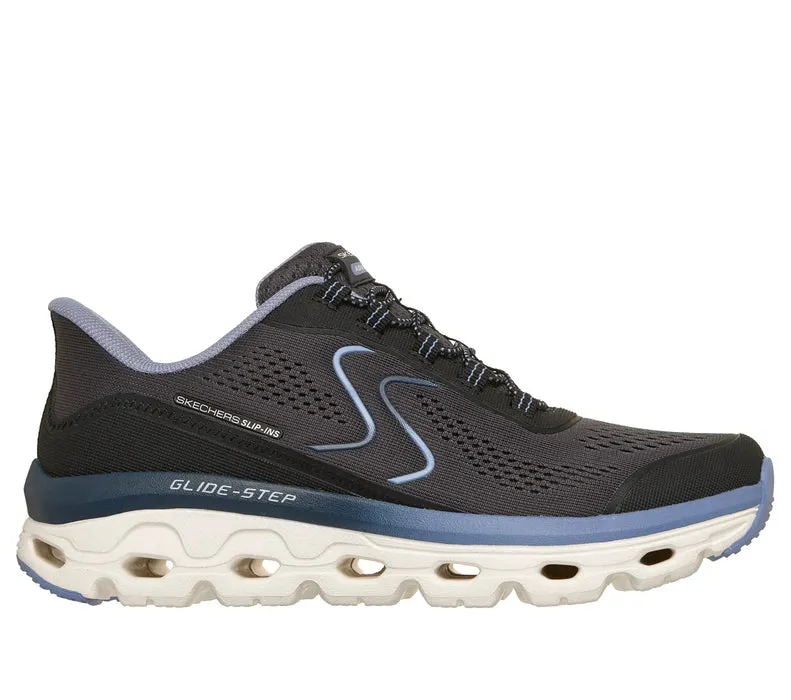
Healthcare workers can spend much of a shift moving between patient rooms, hallways, workstations, and other clinical areas. In these environments, footwear has a practical job to perform. Fit and comfort matter, but outsole characteristics, coverage, workplace rules, and ease of maintenance may be equally important when selecting shoes for professional use.
Searching for non slip shoe stores near me can help healthcare workers identify local retailers where work-oriented and comfort-focused footwear can be evaluated in person. In the Kissimmee area, ComfortWiz carries several footwear categories and brands, giving shoppers an opportunity to compare different constructions before deciding what fits their workplace and routine.
Understand What “Non-Slip” Means for Your Workplace
Not every shoe described as comfortable is designed for the same working conditions. Healthcare facilities can have specific footwear requirements, so employees should check their employer’s policies before purchasing a pair.
Pay particular attention to the outsole specifications of the exact model being considered. Tread pattern, outsole material, and manufacturer information can provide more useful guidance than appearance alone.
A clog or sneaker should not automatically be assumed to meet workplace slip-resistance requirements simply because it is commonly worn by professionals. Verify the product specifications and compare them with your employer’s standards.
Choose a Style That Works With Your Shift
Healthcare professionals have different preferences when it comes to work footwear. Some prefer enclosed sneaker-style shoes, while others choose clogs where workplace policies permit them.
ComfortWiz carries shoes and clogs among its broader comfort-footwear range. Dansko, for example, is one of the brands available through the retailer and is known for its clog and comfort-footwear designs. Other brands carried by ComfortWiz provide additional footwear options with different shapes and constructions.
The right choice depends on workplace requirements as well as individual fit preferences.
Pay Attention to Fit During Movement
A shoe can feel comfortable while sitting and perform very differently during a busy shift. This is why work footwear should always be tested while walking.
Try both shoes and check whether the heel feels secure. Notice the amount of room around the toes and whether the upper creates pressure across the foot. If a shoe feels narrow, do not automatically move to a longer size.
Where available, comparing different widths or shoe shapes can provide a better solution than adding unnecessary length.
Think About Materials and Maintenance
Healthcare shoes are likely to require regular care. Before buying, check the upper material and read the manufacturer’s cleaning instructions for the particular model.
Different materials should not automatically be cleaned in the same way. A method appropriate for one shoe may damage the finish or construction of another.
It can also be practical to consider color and appearance in relation to uniform requirements. Some workplaces have rules about acceptable footwear colors or styles, so confirming those details before shopping can prevent an unsuitable purchase.
Consider Long Shifts When Comparing Products
A healthcare worker may spend many hours in the same footwear. This makes practical details such as internal space, cushioning preferences, closure systems, and overall construction worth evaluating carefully.
Someone who uses compatible orthotics should bring them when shopping. Check whether the footwear has a removable footbed where relevant and whether there is enough room for the insert without making the upper excessively tight.
If orthotics or particular footwear characteristics have been medically prescribed, those professional recommendations should guide the fitting process.
Why Shop at a Specialist Store?
Visiting a non-slip shoe store near Kissimmee FL or a comfort-footwear specialist allows healthcare workers to compare products directly rather than relying only on online descriptions.
ComfortWiz operates a physical location in Kissimmee’s Old Town Entertainment District. Its selection includes shoes, clogs, insoles, and other comfort-oriented footwear products from multiple brands.
For a specific work shoe, size, width, or outsole requirement, shoppers should confirm current product availability and specifications before making a dedicated trip.
Avoid Choosing on Cushioning Alone
Soft cushioning can create an appealing first impression, but healthcare footwear should be judged as a complete product. Outsole characteristics, fit, heel security, toe space, coverage, and workplace suitability all deserve consideration.
A highly cushioned shoe that does not satisfy an employer’s requirements is not automatically a suitable work shoe. Likewise, a product marketed for professional use still needs to fit the individual wearer properly.
Comparing several options helps shoppers balance these considerations rather than prioritizing one feature.
Conclusion
Choosing non-slip footwear for healthcare work requires more than finding a comfortable pair. Employees should check the specifications of individual products, understand workplace requirements, consider fit during movement, and evaluate practical details such as coverage and maintenance.
ComfortWiz provides healthcare workers around Kissimmee with access to multiple comfort-footwear styles and brands that can be compared in person. By checking outsole information and workplace policies while also evaluating fit, shoppers can make a more informed decision for the demands of their professional routine.
