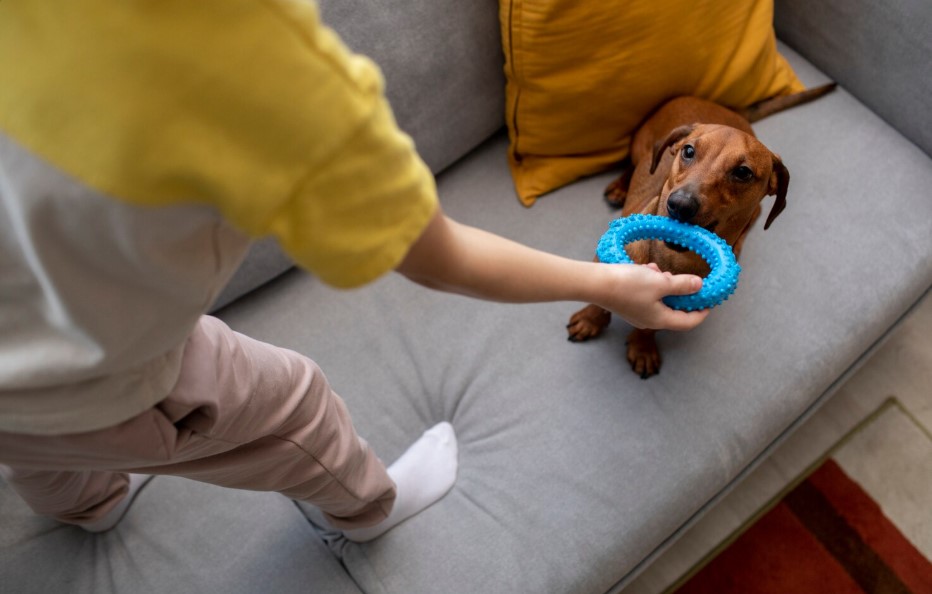
A dog toy is more than just a fun accessory, it’s an essential part of your dog’s daily mental and physical stimulation. The right toys help reduce boredom, support training, and prevent destructive chewing, while also creating more bonding time between you and your pet.
Why Dog Toys Matter for Your Dog’s Health
Quality dog toys encourage natural behaviors like chewing, chasing, tugging, and problem‑solving. When your dog can express these instincts in a safe way, they are less likely to chew furniture, shoes, or other household items. Regular play also supports weight management and muscle tone, especially for dogs who spend most of their time indoors.
Toys are equally important for mental health. Puzzle toys, treat‑dispensing toys, and interactive games make your dog think and work for rewards, which can reduce anxiety and stress. When you mix different types of toys into your dog’s routine, you keep their mind engaged and their day more interesting.
Types of Dog Toys and Their Uses
There are many kinds of dog toys designed for different play styles. Chew toys are ideal for dogs that love to gnaw, helping satisfy their urge to chew while protecting your belongings. Fetch toys like balls and flying discs are perfect for active dogs that enjoy running and retrieving in the yard or park.
You can also find tug toys for interactive play, as well as plush toys for gentle chewers that like to carry or cuddle soft items. Puzzle toys and treat‑dispenser toys encourage your dog to solve simple challenges to access food or snacks, adding a mental workout to their day. Choosing a mix of toy types keeps your dog from getting bored with the same activity over and over.
Best Dog Toys for Different Play Styles
The best dog toys always match your dog’s personality, size, and energy level.
- For power chewers, choose durable rubber or nylon toys that can handle strong jaws without breaking into dangerous pieces.
- For softer, more relaxed dogs, plush toys or lighter rubber toys may be more appealing and safe.
- High‑energy breeds often benefit from interactive fetch toys, flirt poles, or long‑lasting chew toys that keep them occupied.
- Shy or anxious dogs may prefer quieter play with soft toys or simple food‑puzzle toys that build confidence.
When you choose toys based on how your dog actually plays, you create a safer, more satisfying play routine.
Dogs Toys for All Ages
Puppies, adults, and seniors all have different needs when it comes to dog toys for dogs. Puppies usually require softer, puppy‑safe chew toys that soothe teething discomfort without damaging their developing teeth. Look for toys labeled specifically for puppies, and avoid anything small enough to be swallowed.
Adult dogs have stronger jaws and more energy, so they often need tougher toys and more complex games to stay engaged. Senior dogs may slow down but still benefit from gentle play and soft toys that are easy to grip. For older dogs, low‑impact toys like snuffle mats, soft balls, and easy puzzle toys can keep their minds sharp without putting stress on joints.
Safety Tips When Choosing a Dog Toy
Safety should always come first when picking a dog toy.
- Choose the correct size so your dog cannot swallow or choke on the toy; a toy that is too small is risky, while a toy that is too large may be difficult to play with.
- Avoid toys with small parts that can easily come off, such as loose eyes, buttons, or poorly attached squeakers.
- Opt for non‑toxic, dog‑safe materials, and check toys regularly for signs of damage.
- If a toy starts to crack, break, or shed pieces, replace it immediately.
- Supervise new toys at first so you can see how your dog interacts with them and ensure they use the toy safely.
How to Rotate and Maintain Dog Toys
Even the best dog toys can lose their appeal if they are always available. A simple rotation system helps keep toys exciting. Keep some toys out and store others away, then swap them every few days so your dog feels like they are getting something “new” regularly.
Cleaning is also important. Wash plush toys according to the label instructions and clean rubber or plastic toys with warm, soapy water and a thorough rinse. Regular cleaning removes dirt, saliva, and bacteria, helping protect your dog’s health and keeping your home fresher. Inspect toys during cleaning to spot wear and tear before it becomes dangerous.
Matching Dog Toys to Training and Enrichment
Toys are powerful tools for training and enrichment. A favorite dog toy can serve as a reward during obedience training, agility exercises, or recall practice. Many dogs are just as motivated by a quick game of tug or fetch as they are by treats, which helps you vary rewards and keep sessions fun.
You can also use puzzle toys and treat‑dispensing toys to provide enrichment when you are busy. Filling these toys with kibble or small treats encourages your dog to work for their food, slowing down eating and increasing mental engagement. This is especially helpful for dogs left alone for part of the day, as it gives them a productive activity instead of simply waiting.
FAQ’s
1. How many dog toys does my dog need?
There is no fixed number, but having a small variety of dog toys with different textures and purposes, chew, fetch, tug, and puzzle, keeps your dog mentally and physically stimulated. Rotating toys helps maintain interest without needing a huge collection.
2. What are the best dog toys for aggressive chewers?
For strong chewers, the best dog toys are made from durable rubber or tough nylon and are sized appropriately for your dog’s mouth. Always supervise at first and replace any toy that shows deep cracks, chunks missing, or sharp edges.
3. Are plush dog toys safe?
Plush toys can be safe for gentle chewers but may not be suitable for dogs that like to tear and swallow stuffing. If your dog destroys plush toys quickly, choose sturdier options instead and remove any damaged dog toy immediately to prevent ingestion.
4. How often should I replace dog toys?
Replace dog toys whenever they become damaged, cracked, or small enough to swallow. Regular checks during cleaning help you spot problems early. Well‑maintained toys last longer and keep playtime safer.
5. Can dog toys help with separation anxiety?
Yes! Interactive and puzzle dog toys for dogs can help reduce stress by giving your pet something engaging to do when you leave. Pairing these toys with calm departures and a consistent routine can make alone time easier for many dogs.
