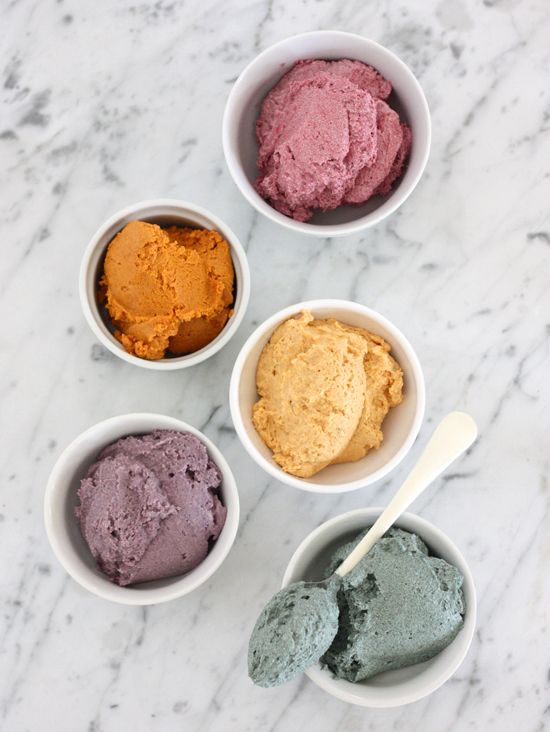
Finding clean options takes real effort because labels can hide confusing terms. Most buyers want plant-based pigments for modern food products. You need to check the sourcing methods before making bulk purchases. all natural food coloring must be stable during high-heat processing. Fading shades is a problem for many manufacturers with acidic drinks. Different plant extracts will have different reactions depending on the pH and storage conditions. You can then test samples in your facility to help confirm performance prior to entering long-term contracts. Keeping proper documentation and ensuring that the right paperwork is kept makes proper documentation. Careful checks control costly formula revisions down the road.
Checking Supply Chains
Quality manipulation starts long before the extraction part takes over the field. Good companies keep a constant check on farming practices, which guarantees raw material consistency. Synthetic dyes are easy to adapt but botanical alternatives require deeper technical knowledge. Ask your dealer about their anemic chain logistics and warehouse centers. When the distribution chain remains fully inclusive, the risks of contamination are greatly reduced. Certifications such as SQF or FSSC provide additional peace of mind for food safety teams. Never fail to review the audit review of the number one subject partner. Strict vendor control protects your reputation.
Testing Plant Extracts
Small-scale batches reveal how pigments behave in real recipes. Turmeric and beetroot behave entirely unlike artificial petroleum dyes. When you have a trusted Natural Food Color Supplier on your team, these common production failures are avoided. Protections are required for pigments from spirulina or butterfly pea. Stress tests should be carried out on each new batch of pigment. Solubility is as important as first impression. Oil based formulas do not dissolve properly in water-based drinks. Carefully test for heat resistance and light stability in early testing. Massive factory savings in the end due to small lab improvements.
Pricing And Logistics
The compromise in bulk purchase is that costs need to be taken into consideration along with the availability of the shelf. Natural fertilizers generally are more expensive than economically viable synthetic options. When shipping powdery plants, take care to pack them to prevent moisture damage. Verify that the provider has sufficient backup storage on site. Delays in international shipments can disrupt the entire production schedule. Clear communication channels prevent misunderstandings of great value all through production crises. Always negotiate bent shipping schedules for seasonal elements to avoid supply shortages. Proper storage conditions protect your financing against untimely deterioration. Rational monetary planning still easily moves the flow of production.
Regulatory Standards
Food technology groups must be kept under regular scrutiny to deal with foreign compliance regulations. In different sectors there are strict limitations on solutions extracted from plants and heavy metal materials. When you purchase a full certificate of assessment you are safeguarding your operation against unanticipated regulatory fines. Reputable manufacturers provide clear documentation regarding pesticide testing and allergen management protocols. The legal guidelines in the local market change frequently making constant verification a requirement for export manufacturers. Keeping up to date with policy changes will avoid expensive delays at international borders. Proper legal alignment secures long-term commercial success.
Formulation Challenges
The scale-up process for botanical pigments presents new challenges in the industrial production process. Mixing equipment used in the commercial industry can break naturally occurring structures of color. Protein/pigment interactions need to be considered by the formulator. Unexpected color changes in the pasteurization or sterilization steps are avoided by adjusting the parameters for processing. Working closely with skilled application scientists can overcome these complex challenges in a timely fashion. You can do thorough pilot plant testing to prove your recipe before you go into full-scale commercial production. When they are very technically prepared they guarantee the visual quality from every single batch.
Conclusion
Navigating the transition toward clean-label ingredients requires careful planning and reliable partnerships. Today brands have a wide choice of resources and information provided on platforms such as foodrgb.com that can provide them with reliable botanical solutions. Proper selection of components guarantees that the completed products will not only meet customers’ requirements, but also be good-looking. Contact their experienced technical support team at any time for a formulation tip suited for your needs. Product development cycles are streamlined efficiently with the help of experts.
