Smartwatches are changing how we relate to technology itself – providing fitness monitoring, notifications, guidance, and very easy access to your phone’s functions. In spite of all these developments, traditional analogue and digital watches remain popular among those who really appreciate simplicity, dependability and an ageless style. To lots of wearers, a watch isn’t just a device to tell the time. It may be a very personal accessory, an invaluable everyday tool, or even a way of showing off one’s unique sense of style. Although smartwatches do boast impressive capabilities, those classic timepieces hold qualities that will always keep them relevant in our highly technological world.
Timeless Design Never Goes Out of Style
Traditional watches hold one of the greatest advantages through their very long-lasting visual appeal. Analogue watches – featuring their hands, dials, and extremely carefully created cases – will match both formal clothes and casual outfits and professional attire perfectly. Pune escorts interested in versatile fashion accessories can explore different analogue styles to complement their personal preferences. Their designs are available from very subtle minimalist faces to really detailed mechanical movements that show off true craftsmanship.
Classic digital watches present themselves differently, however. Their quite obvious displays, those familiar buttons, and some very useful shapes really create a sporty or an old-fashioned look which continues to be popular across all generations.
Different from technological products that can quickly look outdated as interfaces and equipment progress, lots of traditional watches keep their appeal over several decades. An excellent timepiece design will stay fashionable even if current clothing trends change.
Smartwatches too have completely customisable faces and stylish designs, but their appearance is frequently affected by the screen, software, and the hardware generation itself. Traditional watches deliver a far more enduring visual style for individuals who would rather wear accessories that aren’t tied to the newest technology cycle.
Freedom From Constant Notifications
Smartwatches are made so users stay connected. Messages, phone calls, calendar alerts and app notifications appear right on the wrist – meaning information is always within reach during the day.
However, continuous connection itself may become quite a distraction. Receiving a notification during a meeting, conversation, or quiet time might lead you to look at your device when your attention should actually be elsewhere.
Traditional watches give you a much more straightforward experience. The main point of these timepieces is to show you the time itself – enabling you to see it without getting pulled into messages or apps. Also, even digital models that include alarms, stopwatches and backlights mostly steer clear of those streams of notifications that come with smart devices themselves.
This level of simplicity could be especially attractive to individuals who wish to set themselves healthier limits with technology. A classic watch lets them know the time itself – all without transforming each glance at their wrist into yet another chance for screen-time engagement.
Battery Life and Everyday Reliability
Battery performance is another key point of difference between classic watches and smartwatches. Many smartwatches will need recharging daily or every couple of days – the frequency really depends on their specific features and your use of them. If you forget to charge one then you’ll be without access to its functions until power is restored.
Traditional digital watches are known for running for several years on a replaceable battery, whilst certain types of analog quartz watch offer very similar battery life spans too. Solar-powered models will even further diminish the need for those periodic battery replacements.
Mechanical watches work somewhat differently, powered as they are by a wound spring and a series of intricate mechanical parts instead of an electronic battery itself. Self-winding models are able to wind themselves right up using the movement of your wrist but may require resetting if left unworn over an extended period.
These differences make classic watches a much more practical choice for individuals who would rather have fewer recharging routines themselves. The fact that they’re less functional will also result in fewer disruptions from software updates, connectivity issues or problems with applications themselves.
Durability for Different Lifestyles
Traditional watches are designed so that they can be used every day – not needing constant interaction with very sensitive screens or software themselves. Jaipur escorts who enjoy outdoor activities and regular travel may find these dependable timepieces useful for everyday convenience. Certain digital classics have become extremely popular amongst individuals who require functional timepieces for their outdoor activities, travels and demanding daily routines.
Features such as water resistance, shock resistance, clear displays and physical buttons can really make certain models stand out in situations where a touchscreen would be quite inconvenient. Nevertheless, durability will depend on the specific watch itself – and not all traditional models are created for very harsh conditions.
Smartwatches too can be extremely durable – with particular models offering a very robust build, advanced navigation and a wide range of activity tracking functions. The main difference lies in the fact that buyers will usually need to factor in the protection of the screen, the battery performance and also the availability of repairs right alongside those other features.
If you just need a really reliable watch to wear each day, then a traditional model might offer the perfect balance between being super practical yet incredibly low maintenance.
Personal Expression Through Classic Timepieces
A watch will convey information about the wearer itself – no need for a digital display full of data. An analogue dress watch suggests an appreciation for understated elegance itself, while a vintage digital model will show a preference for retro design and useful accessories.
Classic watches give us a wide variety of materials, colours, straps and case shapes too. Wearers can choose leather, metal, resin or fabric straps depending on their requirements and tastes.
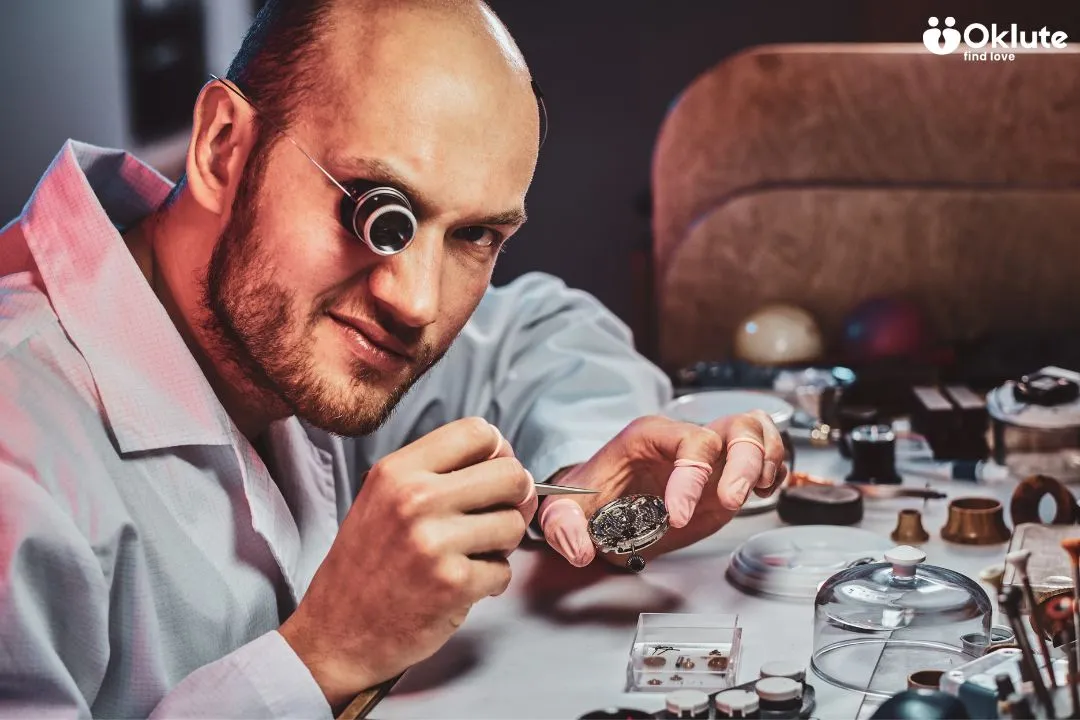
Some individuals also have an appreciation for the craftsmanship involved in making mechanical watches themselves. The movement of gears and springs creates a real link to traditional watchmaking itself, giving the timepiece an interest that goes beyond its basic use.
Smartwatches can be customised with straps and digital watch faces but classic watches present a unique, physical character that lots of fans really appreciate. Their appeal usually originates from the combination of design, craftsmanship, history, and personal significance itself.
Lower Long-Term Costs and Less Digital Dependence
Traditional watches are found in all price ranges – from really affordable digital ones to much costlier mechanical timepieces. Even a simple watch might only need occasional battery replacement or routine upkeep.
Smartwatches will come with additional costs down the line, such as replacing the strap, getting it repaired, dealing with battery degradation itself, or at last, upgrading it if software support eventually runs out. Birmingham escorts who enjoy exploring modern gadgets can take these potential expenses into account when planning their accessory budgets. These expenses will vary quite a bit between different brands and models – so a smartwatch isn’t always going to be more expensive after all.
Traditional watches can still be very useful if they’re not linked to your phone, an account or a specific software system. This freedom from dependence can really appeal to individuals looking for their daily essentials to operate perfectly well without needing the backing of several digital services themselves.
Picking a classic watch doesn’t necessarily signify turning your back on modern technology. Rather it just shows a preference for a device that performs one key function very dependably without requiring an even wider digital structure.
Conclusion
Smartwatches give you very useful functions for communication, health monitoring and convenience but analogue and digital classics still have advantages which technology can’t completely substitute for. Their ageless designs, very easy to use operation, long battery life and freedom from the need for continuous connection make them sensible choices for every-day wear.
Ultimately the best watch will depend on what the wearer values most. People who want detailed information about their fitness and who want their phone integrated into their watch may well choose a smartwatch while those who appreciate simplicity, strength and personal style may find themselves much happier with a traditional timepiece. In a world full of interconnected devices, classic watches show us that sometimes being good at just one thing is worth more than trying to do everything all at once.
